• Licensed & Insured
  • $1M / $2M General Liability Coverage
  • 4.9★ Google Rating (316 reviews)
  • Fort Worth–Based, Serving DFW
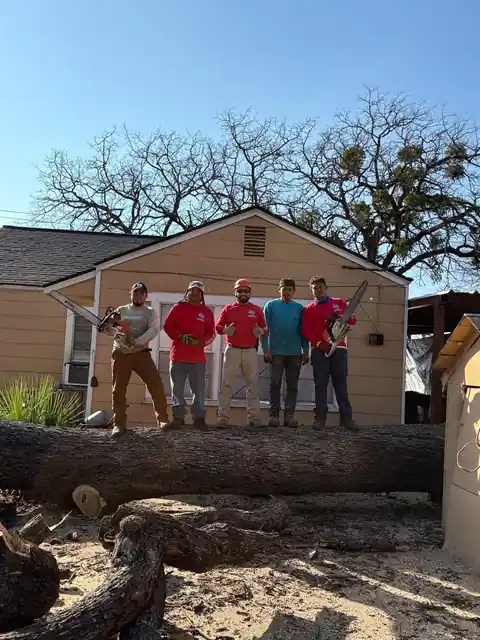
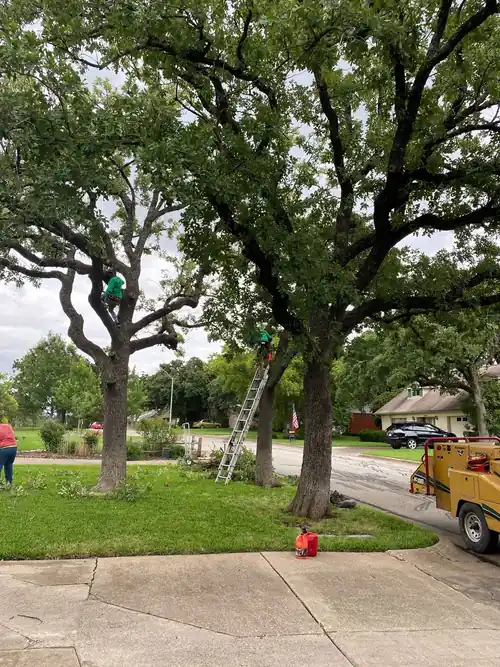
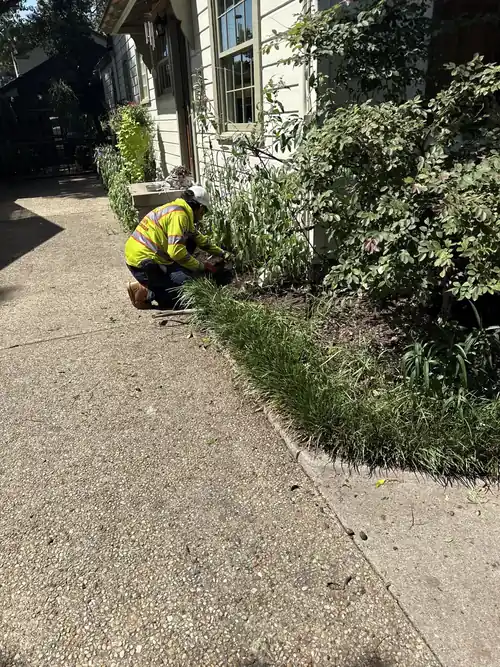
Texas Tree Tops team serving Fort Worth tree service customers
Primary service base

Tree Removal, Trimming, Stump Grinding, And Emergency Tree Service In Fort Worth

Fort Worth properties range from older neighborhoods with mature shade trees to fast-growing communities with newer landscapes and expanding commercial properties. Texas Tree Tops helps property owners handle hazardous removals, overgrown canopies, storm damage, stumps, and routine tree maintenance with a focus on safety, access, and cleanup.

Local Rules & Permits

Tree Removal Rules In Fort Worth

Most Fort Worth homeowners are exempt: single residential lots of one acre or less with a one- or two-family home are not subject to the city’s urban forestry requirements. Permits apply on larger lots and on any property being developed, where removing a tree six inches or greater in diameter requires a city tree removal permit.

  • Single-family lots of one acre or less are exempt from urban forestry requirements
  • Where the ordinance applies, removing a tree 6 inches or greater in diameter requires a permit
  • Protected species at 24 inches DBH — post oaks and blackjack oaks at 18 inches — are "significant trees" removable only by permit
  • Trees deemed unsafe by the urban forestry administrator are exempt

Official source: Fort Worth Urban Forestry Ordinance (Zoning Ordinance § 6.302)

Ordinance details change — confirm current requirements with Fort Worth before scheduling a removal.
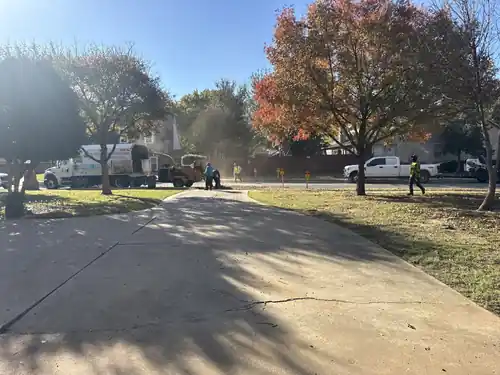
Texas Tree Tops crew working under Fort Worth tree rules

HOA & Review Boards

Fort Worth relies on voluntary neighborhood associations rather than a citywide HOA — the Tanglewood Neighborhood Association runs a documented tree replanting program with city forestry staff. Individual subdivisions may carry deed restrictions, so check your own covenants before major tree work.

Native Trees & Soil In Fort Worth

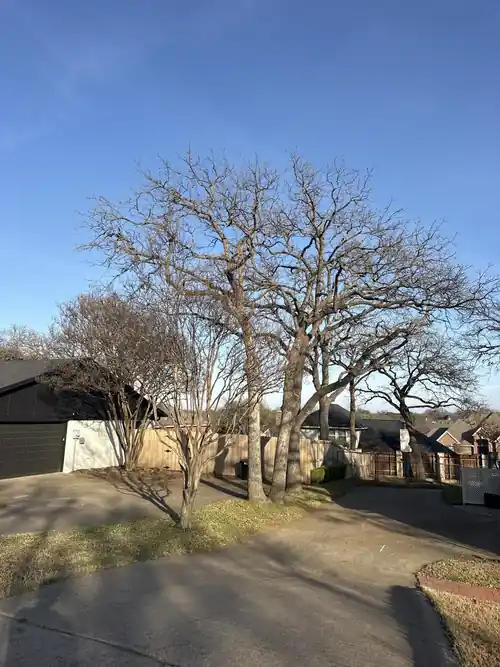
Fort Worth sits on the Fort Worth Prairie, flanked by the Eastern and Western Cross Timbers — sandy-soil oak belts historically nicknamed the "Cast Iron Forest," dominated by slow-growing post oak and blackjack oak, with clay-over-limestone prairie between. The ordinance's protected list reflects that mix: post oak, live oak, bur oak, chinquapin oak, Shumard and Texas red oak, cedar elm, American elm, pecan, bald cypress, and black walnut. Post oaks tolerate almost no root disturbance, so site work near them needs careful planning. The city also carries a written canopy goal — 30% cover citywide, with development projects required to keep at least half of their post oak and blackjack oak canopy.

Fort Worth Oak Pruning Window

Oak wilt is confirmed in 76 Texas counties, but confirmed Tarrant County cases are rare — a 2026 Arlington case was described as the first in about 15 years. Local guidance: prune oaks July through January and seal every cut immediately.

Process

How Fort Worth Tree Service Requests Move Forward

01

Share The City And Scope

Send the service needed, property location in Fort Worth, access concerns, urgency, and cleanup expectations — removals start with a check of Fort Worth's local tree permit rules.

02

Review Site Conditions

The work plan should account for structures, fences, driveways, pools, utilities, parking, and debris access.

03

Plan The Tree Work

The estimate conversation connects the tree condition, service type, timing, equipment access, and final property needs.

04

Complete And Clean Up

The approved tree work is completed with the cleanup expectations discussed before scheduling.

Local FAQ

Fort Worth Tree Service Questions

These answers are practical planning notes for Fort Worth property owners. Final service scope depends on the tree, access, cleanup needs, and approved estimate.

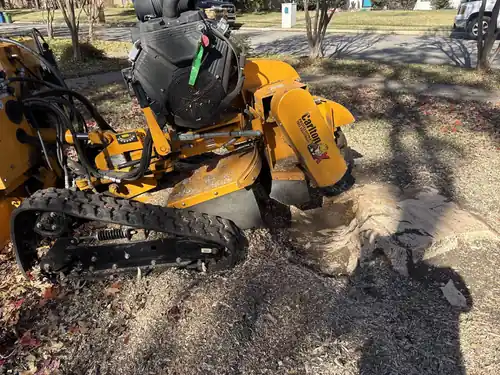
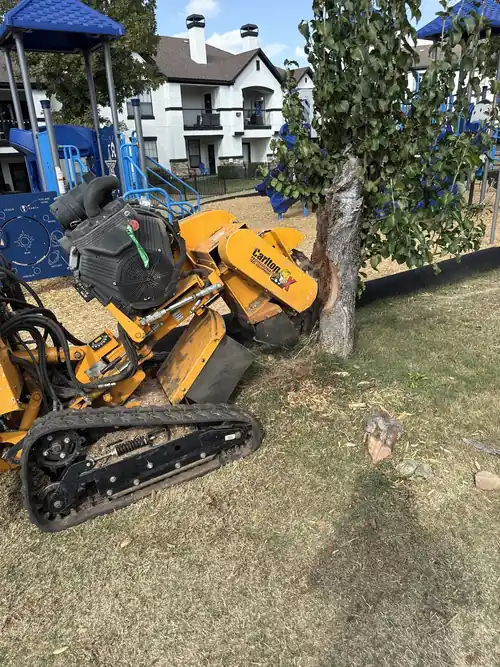
Texas Tree Tops stump grinding machine removing a tree stump

Usually not for a typical home lot. Fort Worth’s Urban Forestry Ordinance exempts single residential lots of one acre or less with a one- or two-family home. Permits come into play on larger lots, multi-unit properties, and any property being developed or built on. Rules change — confirm current requirements with the city’s Urban Forestry office before a removal.

Under the city ordinance, protected species measuring 24 inches in trunk diameter — or just 18 inches for post oaks and blackjack oaks — are significant trees. On properties subject to the ordinance, they can only be removed with a permit from the urban forestry administrator, and removal must be mitigated. Rules change — confirm current requirements with the city before removal.

Texas A&M Forest Service guidance is to avoid pruning oaks from February through June, when oak wilt spreads most easily — so the local pruning window runs roughly July through January. Every cut on an oak should be sealed with pruning paint immediately, any time of year.

Post oaks — the signature tree of the Cross Timbers around Fort Worth — grow slowly and cannot repair damaged roots before decay sets in. Trenching, fill dirt, compaction, or new irrigation inside the root zone often starts a decline that shows up years later. Protecting the root zone during any site work is the best insurance.

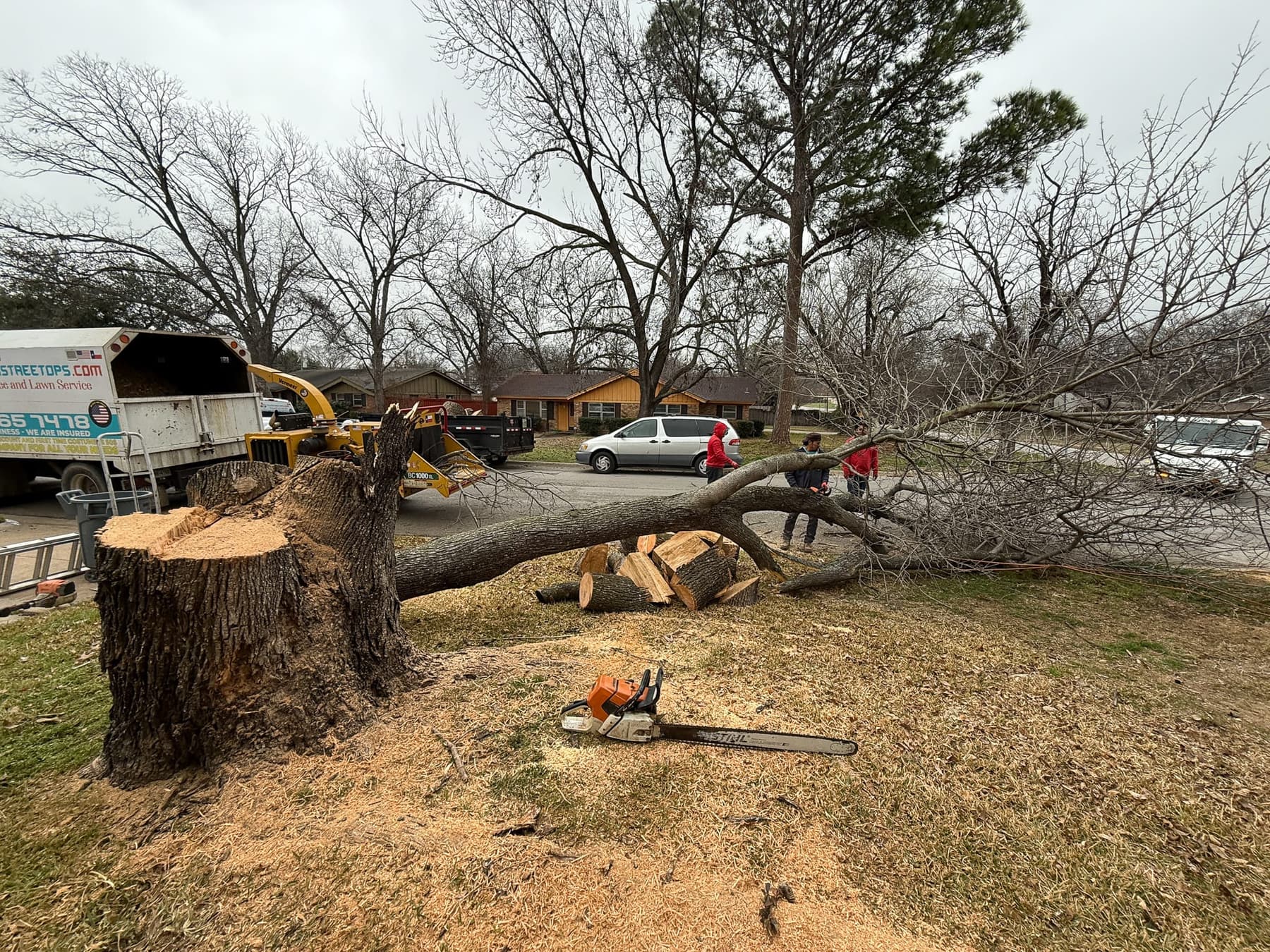
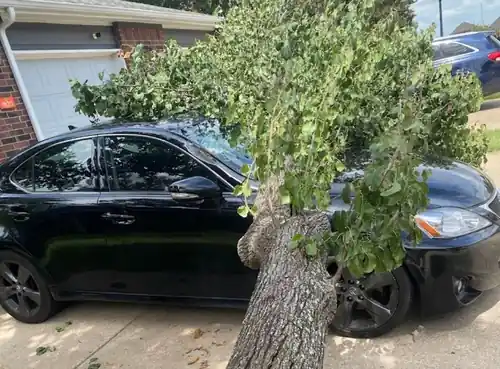
Yes. Texas Tree Tops provides emergency tree service for storm damage, fallen trees, split trunks, blocked driveways, and hazardous limbs in Fort Worth and nearby DFW communities.
Neighborhoods And Nearby Areas

Fort Worth Neighborhood And Local Service Coverage

Fort Worth requests can be organized by city, neighborhood, or district. These local pages help property owners find the most relevant tree service page before requesting an estimate. Coverage includes neighborhoods and areas like Tanglewood, Overton Park, Westcliff, Arlington Heights, Rivercrest, and Crestwood.

Nearby City Pages

Dallas , Keller , Southlake , Colleyville

Need Tree Service In Fort Worth?

Send the service type, property location, timing, access notes, and cleanup expectations.

Request An Estimate