Clearance over parking and walks
We cut branches above cars, sidewalks, signs and roofs back to an agreed height. Regular tree trimming can stop the same complaints from returning.

We work for HOAs, apartments, retail sites, churches and schools.
Texas Tree Tops is a Fort Worth commercial tree service for HOAs, apartments, retail sites, churches and schools across DFW. We walk the property with you and write a work plan for each area. Your board sees every tree and every line before it votes.
Request a Property Estimate
Your board approves a written plan before any work starts. We schedule the work around residents, parking and entrances.
We reply within 30 minutes.
You can also call (682) 708-4984.
Our Fort Worth crews trim, remove and grind stumps at managed properties as well as homes. These are the jobs boards and managers call us for most.
We cut branches above cars, sidewalks, signs and roofs back to an agreed height. Regular tree trimming can stop the same complaints from returning.
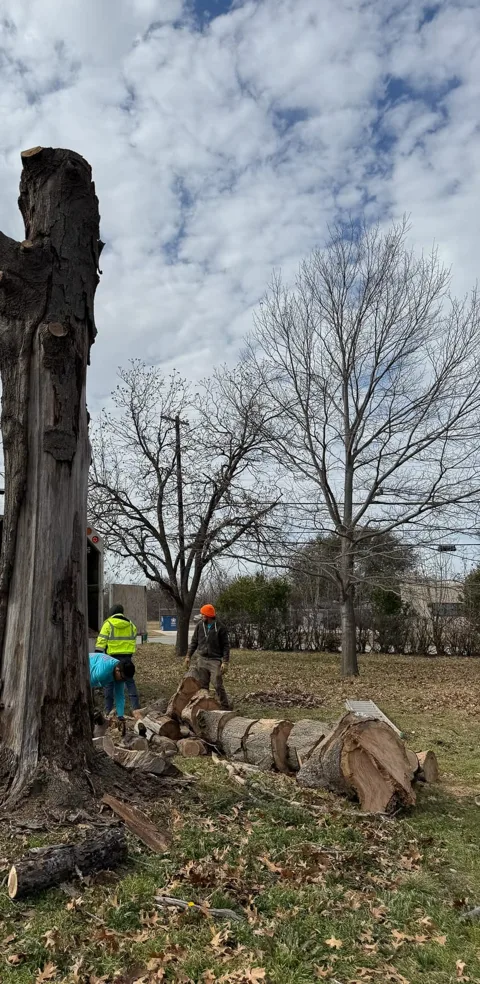
A dead tree by a pool or playground is the first thing a board wants gone. Tree removal gets its own line for each tree in the written plan, which also marks the area that must stay clear.
Brush and lot clearing opens back fences, drainage channels and shared access strips that nobody maintains. You mark where the clearing should stop.
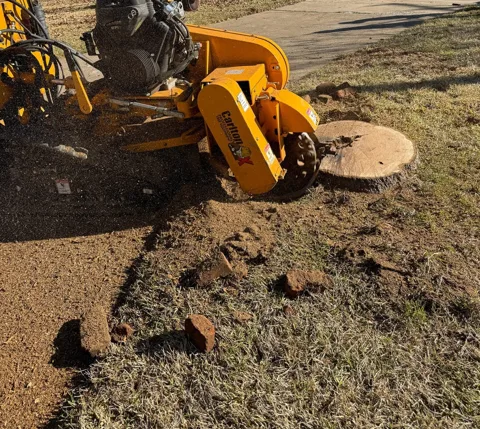
We grind stumps from past removals below grade so the landscape crew can mow and plant.
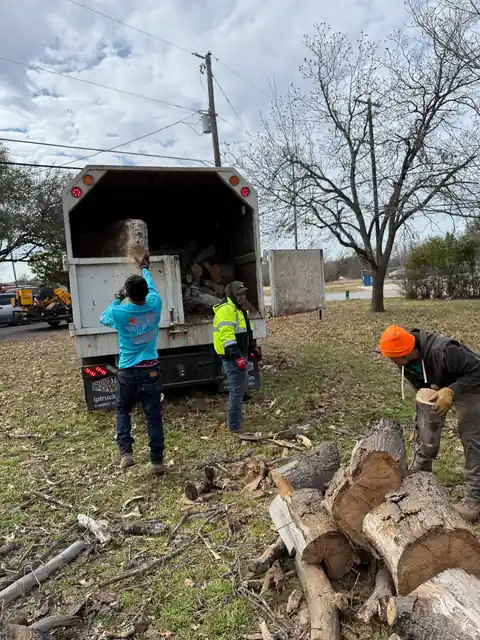
Most property jobs mix two kinds of work. Commercial tree removal takes out dead, split or leaning trees before they fall on a car, a roof or a resident. Commercial tree trimming keeps branches off buildings, signs, lights and the walks people use every day.
“Very professional and reliable. They did a great job cutting and trimming trees around commercial property.”
We walk each area with the person who knows the property and mark trees on a site map.
For each area, we list the trees, the work and where the truck will park.
The board can approve all of it, part of it or a phased plan. We confirm the approved lines in writing.
Cones keep residents away from falling branches and guide them around the work area. We agree on parking and entrances with the manager before work starts.
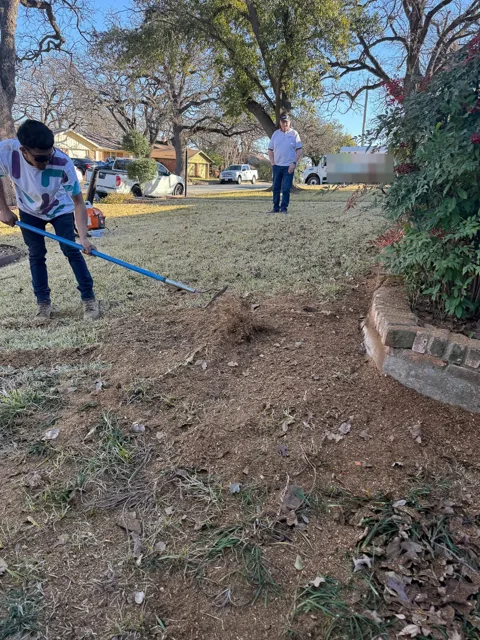
If you ask, we provide a short summary of the completed work for each area to keep in the property file.
We work at entrances, shared open spaces, pools and common fences. We follow the board's approved list and do not include trees on private lots. Residents can use the HOA tree approval guide for their own yards.
We work on one part of the parking lot at a time. Residents only need to move a few cars instead of the whole row.
We keep signs and storefronts visible and delivery lanes open. We schedule around business hours and deliveries.
Service times, drop-off lines and events set the calendar, and we plan our work around them.
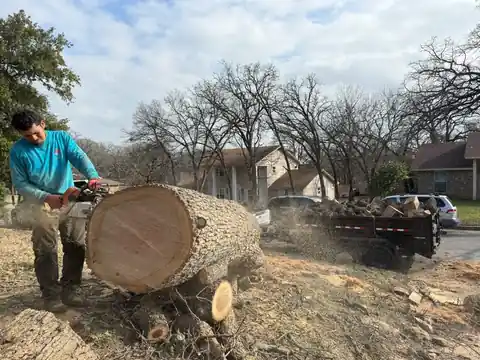
Line-by-line scopes let a board compare two bids for the same work, tree by tree.
Routine oak workOak wilt season
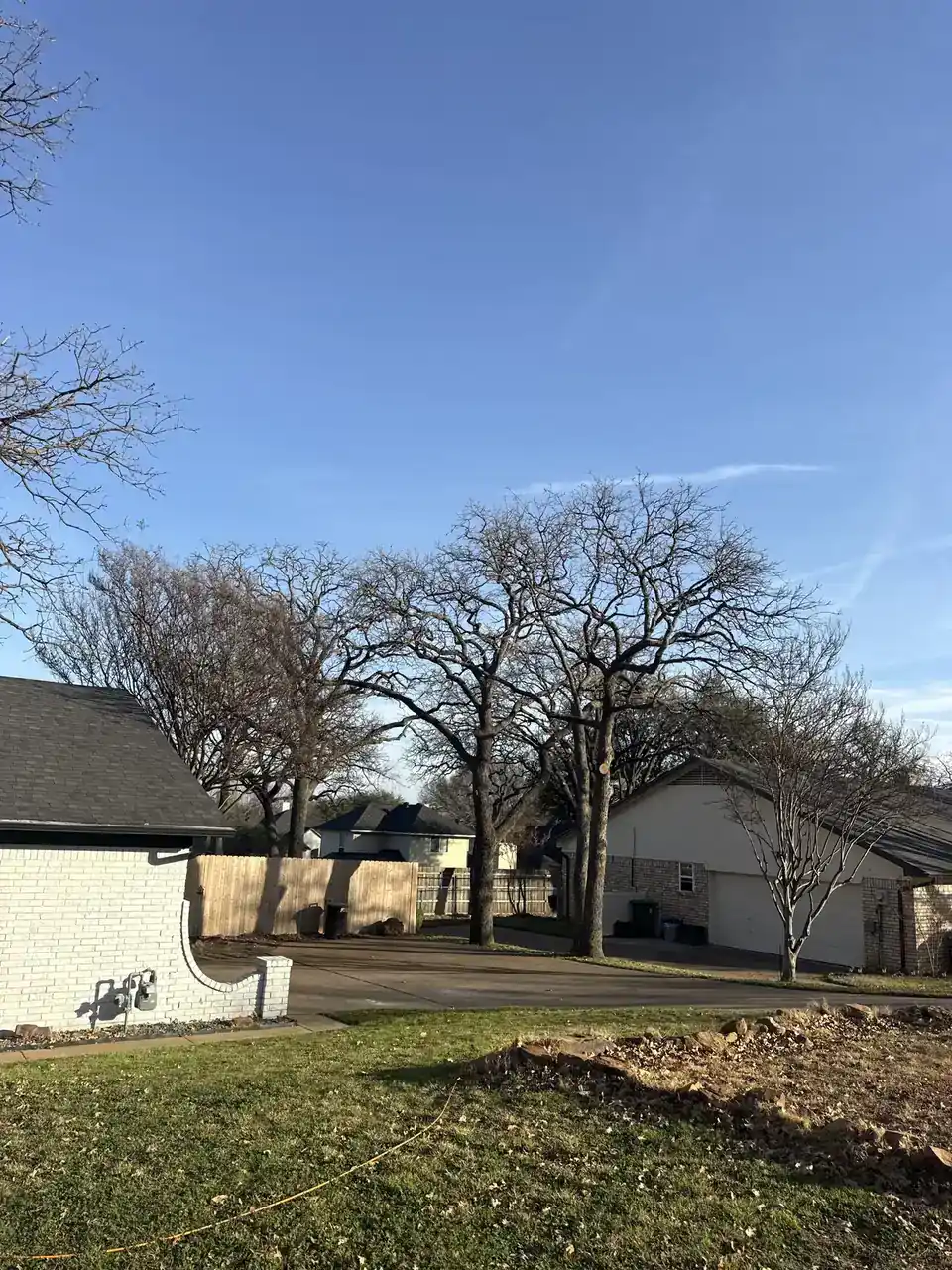
February to June is oak wilt season, so routine oak trimming waits. We still take down hazards and paint every cut.
This is the window for routine trimming on live oaks and red oaks.
City tree rules often cover commercial property and land divided for development. HOA rules are separate. Check both before removing a tree.
One entrance takes one setup, and twelve buildings take twelve.
Mature live oaks over a lot take more rigging than young street trees.
A lot that never empties needs phased work and more people on the ground.
Early starts, weekend-only access or school calendars shape the crew days.
Roofs, cars, pool fences and signs all change how we lower the wood.
We can haul everything away or leave chips in the beds for the landscape crew.
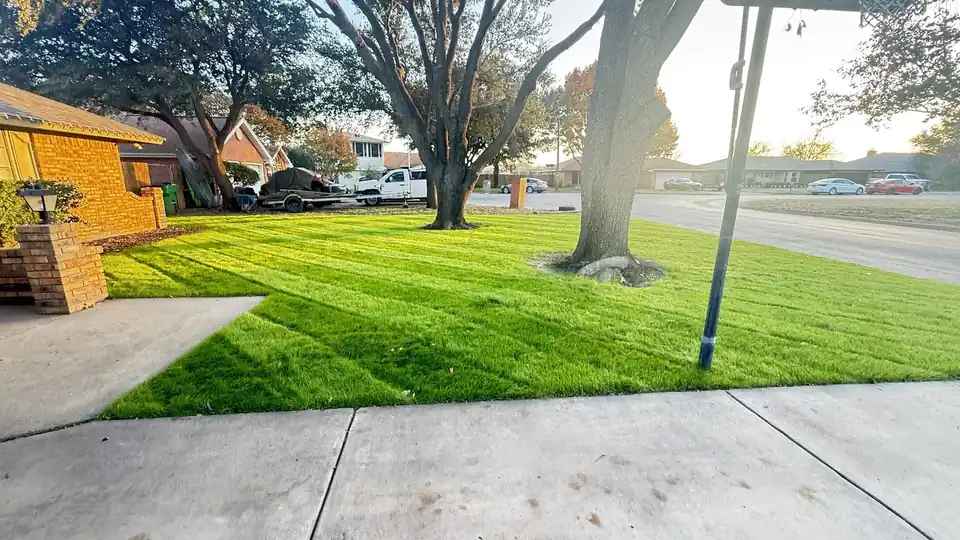
“Daniel, Miguel, Rafael and the rest of the crew did a great job … arriving ahead of schedule, prepped the area for safety, removed a large (apx. 40’) slanting tree and hollowed out branch hanging over the roof at one of our rental properties.”
“Hired for tree removal after the latest storm at our business. Gave a written estimate and took care of the job quickly with no hassle. Will not hesitate to hire them again.”
“They did an awesome job and worked very hard. Not only will we use them at our clinic but need work done at home as well.”
Property managers and homeowners review our crews on the Texas Tree Tops reviews page, and our tree service projects page shows finished work.
Do you manage sites in more than one city? Send the list. Each site gets its own scope and walk, and they all run on one schedule.
Commercial lots and HOA common areas in Fort Worth fall under the city's urban forestry ordinance, which exempts only one- and two-family home lots of less than one acre. The rule counts trees 6 inches across or more. The association owns trees on common ground, so the board or property manager must issue the work order. See Fort Worth Zoning Ordinance, Sec. 6.302.
You can find more answers on our tree service FAQ.
It covers clearance trimming over parking, walks, signs and roofs, and removal of dead or failing trees. It also covers stump grinding and clearing brush from property edges and drainage areas. We write each tree and area as its own line, so the board can see the full scope before it votes.
The cost depends on the size of the scope. The number of areas, tree size and count, traffic and parking, work windows, what sits below the trees and how much cleanup you want all change the work. We walk the property with the manager and write each tree or area as its own line, so the board sees the cost of every part before it votes.
Plan routine oak trimming for July through January. February to June is oak wilt season, when beetles carry the fungus to fresh cuts, so routine oak work waits. Hazards still come down in any month, and we paint every oak cut. Put the oak work on the budget calendar early.
Yes, we can. We walk the property with the manager and number each tree or area on a site map. The plan lists the work, where the truck parks and the dates. Each item is a separate line, so the board can approve all of it, part of it or a phased plan.
Yes, we do. After the first walk, we list which areas need work each year and which can wait two or three years. The board gets a plan before each visit. We check the plan again after a big storm and update it for the next budget year.
Call with the property name, the address and what is blocked. We handle fire lanes, entrances and trees on buildings first. After residents can get through, we send the board a written cleanup plan to approve at its own pace.
The HOA rules decide who pays, so the board or manager must read those rules. We can split the estimate into two parts. One covers branches over the common area, and the other covers the rest of the tree. The HOA and the homeowner can each approve and pay for their own part.
The HOA rules decide, so the homeowner should read them or ask the manager before any work starts. We work from the board's approved list on common areas and do not include trees on private lots. Our HOA tree approval guide walks a homeowner through the request.
Send the address, problem areas and name of the person who approves the work. We will walk the property and write a plan for each area.