• Licensed & insured
  • 4.9★ Google Rating (316 reviews)
  • Fort Worth–Based, Serving DFW
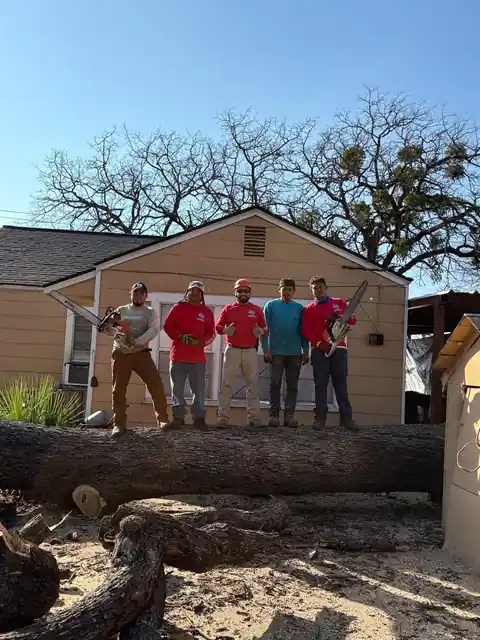
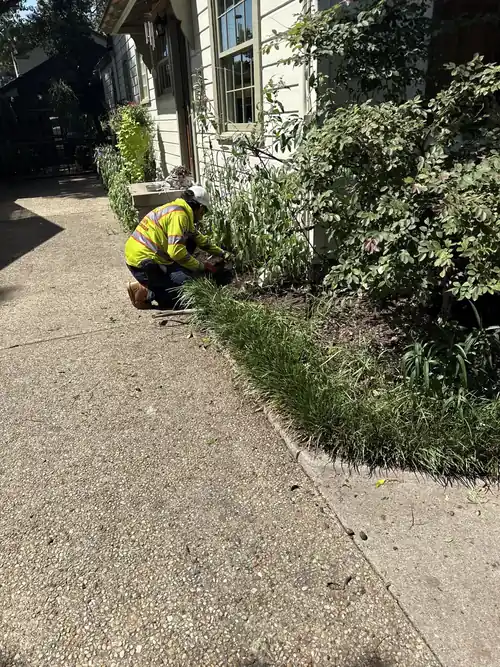
Texas Tree Tops team serving University Park tree service customers
University Park Service Area

Tree Removal, Trimming, Stump Grinding, And Emergency Tree Service In University Park

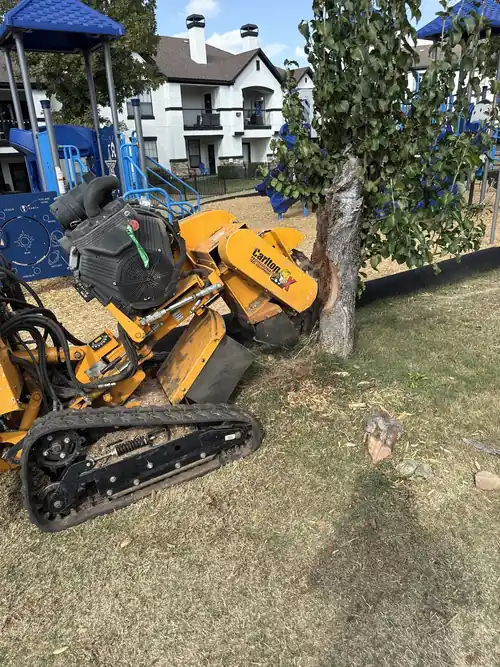
University Park’s tree rules are quiet until a house comes down. Day to day, a private tree needs no city permit, and the work is ordinary estate care: canopies raised off rooflines, storm limbs cleared, stumps ground below the lawn. But approve a demolition and Article 3.08 wakes up: six-inch-caliper trees become regulated, at least two designated trees must be standing at final inspection, and a tree only counts as preserved if three-quarters of its critical root zone never left natural grade. We do the everyday work cleanly, and on teardown lots we do what the ordinance actually asks: keep the root zone honest while construction happens around it.

Local Rules & Permits

Tree Removal Rules In University Park

Day-to-day, University Park’s published code does not require a permit to remove a private tree — but once a project involves approved demolition of the primary residence, Article 3.08 Tree Preservation applies: trees of 6-inch caliper and up are regulated, and at least two designated trees must remain on the property at final inspection.

  • Tree Preservation rules trigger when demolition of the primary residence is approved
  • Designated tree: 6-inch or greater caliper, measured 12 inches above the base
  • A tree counts as preserved only if 75% of its critical root zone stays at natural grade
  • Homeowners maintain parkway trees; planting one requires a city application and $20 permit

Official source: University Park Code — Article 3.08, Tree Preservation

Ordinance details change; confirm current requirements with University Park before scheduling a removal.
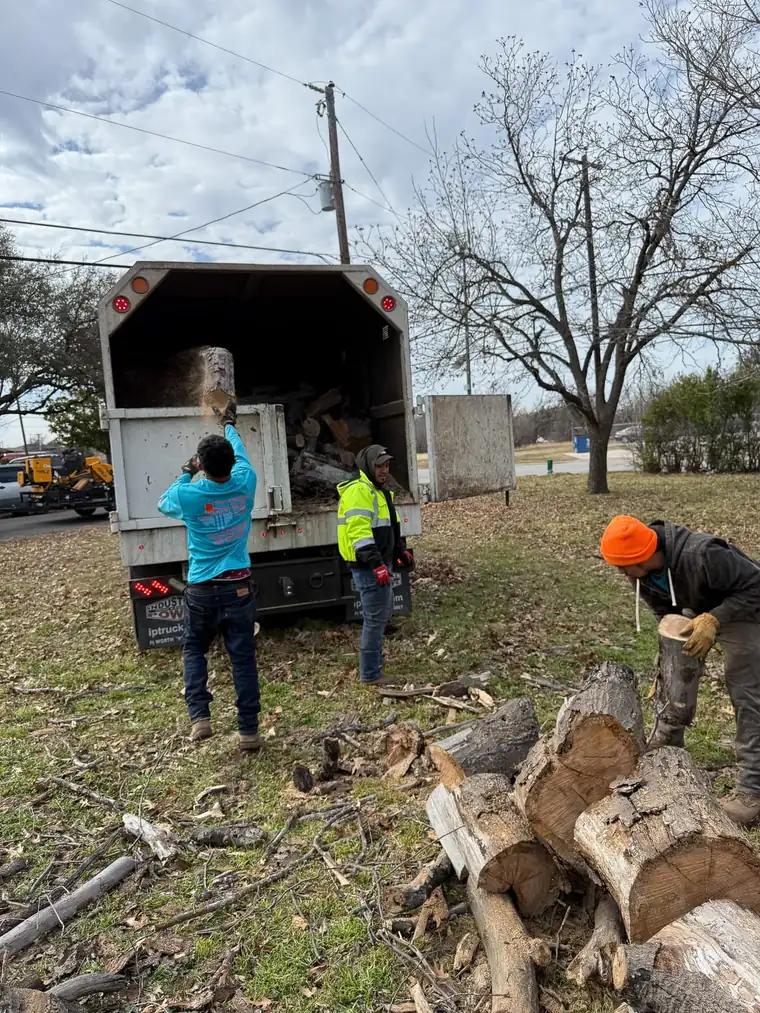
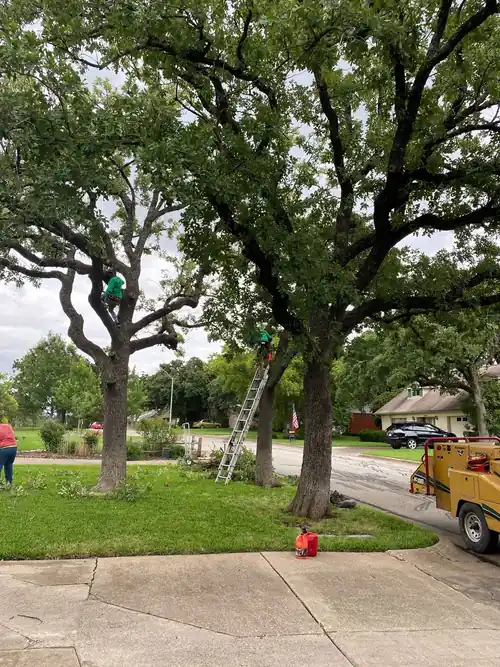
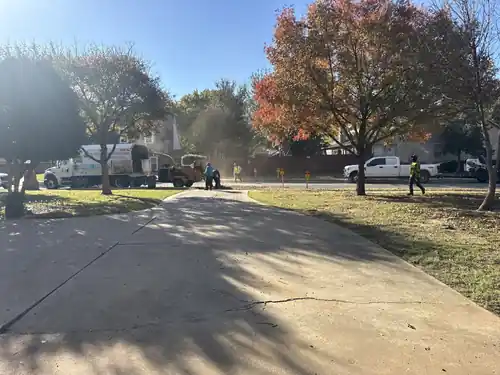
Texas Tree Tops crew working under University Park tree rules

HOA & Review Boards

Tree authority in University Park rests with the city — Community Development, Parks, and the city arborist — rather than HOAs. The construction-triggered Tree Preservation article is the review mechanism that actually exists here.

Native Trees & Soil In University Park

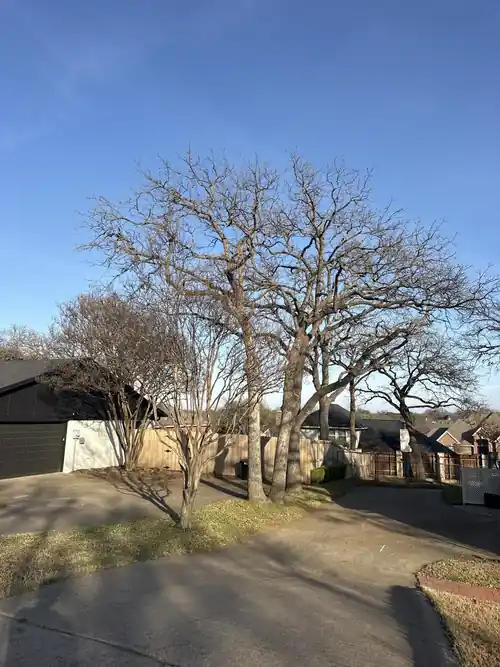
Most University Park lots run 0.15–0.4 acres with mature canopy close to structures, and the city sits on Blackland Prairie expansive clay — the Houston Black series swells wet and shrinks dry, stressing roots and contributing to the foundation movement North Texas is known for.

University Park Oak Pruning Window

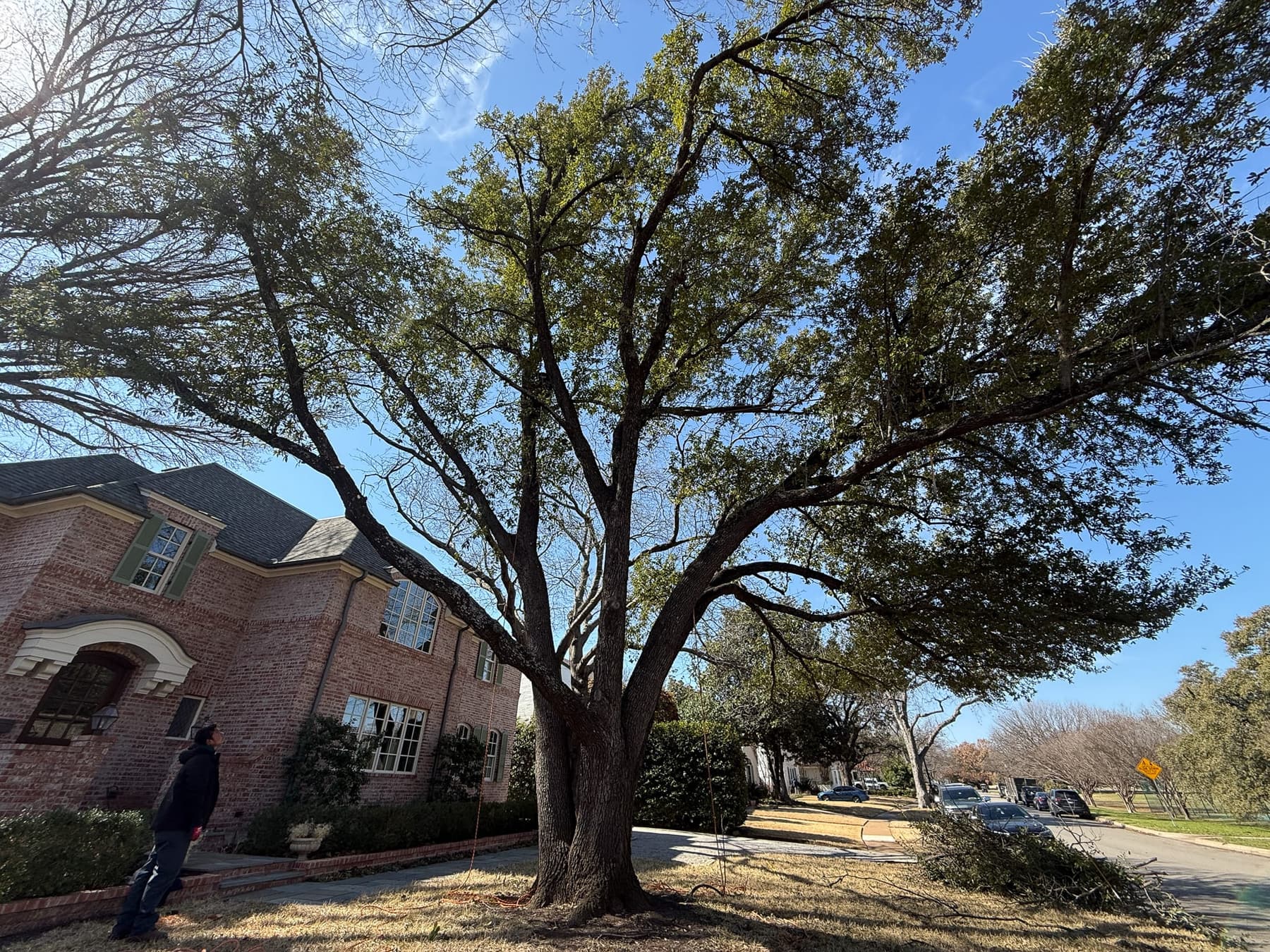
The city’s 2024 tree inventory found nearly half of University Park’s trees are oaks — live oaks and red oaks among the largest shares, exactly the oak wilt risk profile. Do not prune oaks February 1 through June 30, and paint every wound immediately.

Process

How Is Tree Service Planned In University Park?

01

University Park Service Details

A University Park tree service request includes the service needed, property location, access concerns, urgency, and cleanup expectations. When local rules apply, the documented municipal source is included in removal planning.

02

University Park Site Conditions

The University Park site review accounts for structures, fences, driveways, pools, utilities, parking, and the path used to move debris.

03

University Park Tree Work Plan

The University Park estimate connects tree condition, service type, timing, equipment access, and final property needs with University Park Code — Article 3.08, Tree Preservation.

FAQ

University Park Tree Service Questions

Tree condition, property access, cleanup needs, and the approved estimate determine the final service scope in University Park. Call +1 682-708-4984.

It depends on what is happening on the lot. Day-to-day, the published code does not require a permit for a private tree — but once a project involves approved demolition of the primary residence, Article 3.08 applies: designated trees of 6-inch caliper and up are regulated, and at least two must remain at final inspection. Rules change — confirm current requirements with the city before removal.

University Park defines a designated tree as one with a 6-inch or greater caliper measured a foot above the base. During construction, it only counts as preserved if at least 75% of its critical root zone stays at natural grade — grade cuts and compaction disqualify it, and damage can bring a civil penalty scaled to the tree’s diameter. Rules change — confirm current requirements with the city before site work.

You do — University Park makes property owners responsible for keeping parkway trees safe and healthy: pruning, watering, pest management, and removing dead or hazardous trees. Planting a new parkway tree takes a city application, a $20 permit fee, a site plan, and a Texas811 utility locate first. Rules change — confirm current requirements with the city before parkway work.

Because the city’s own 2024 inventory found nearly half its trees are oaks — heavy on live oaks and red oaks, the species oak wilt hits hardest. Live oaks share the disease through connected roots at roughly 75 feet a year, fast on University Park-sized lots. Do not prune oaks February 1 through June 30, and paint every oak wound immediately.

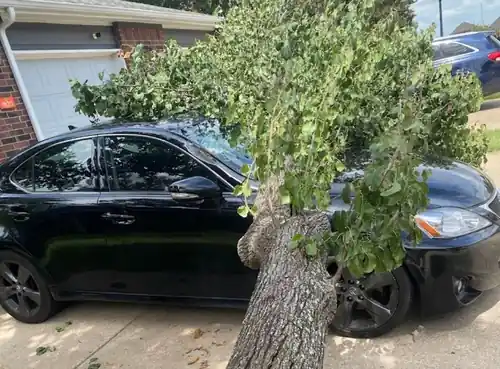
Yes. Texas Tree Tops provides emergency tree service for storm damage, fallen trees, split trunks, blocked driveways, and hazardous limbs in University Park and nearby DFW communities.
Neighborhoods And Nearby Areas

University Park Neighborhood And Local Service Coverage

Texas Tree Tops provides tree service for neighborhoods, HOAs, commercial corridors, managed properties, and nearby communities around University Park, including properties close to city boundaries. Coverage includes neighborhoods and areas like Volk Estates, University Heights, the Snider Plaza district, Caruth Hills, the Curtis Park area, and the SMU–Hilltop area.

University Park Tree Service Coverage

Texas Tree Tops serves University Park from its Fort Worth business address. Tree service is planned around the property location, access, timing, and requested work.

Need Tree Service In University Park?

Send the service type, property location, timing, access notes, and cleanup expectations.

Request A Scope Review